
Technology
China Tech Frenzy Turns Into Year of Dismay for Retail Traders
By Katherine Langford
Advertisement · Why this ad?
Katherine oversees editorial operations across all six brands. Before joining The Meridan Group, she spent 14 years at the Minneapolis Star Tribune, where she led the metro desk through its digital transformation. She holds a Master's in Journalism from Northwestern's Medill School.
More from Katherine →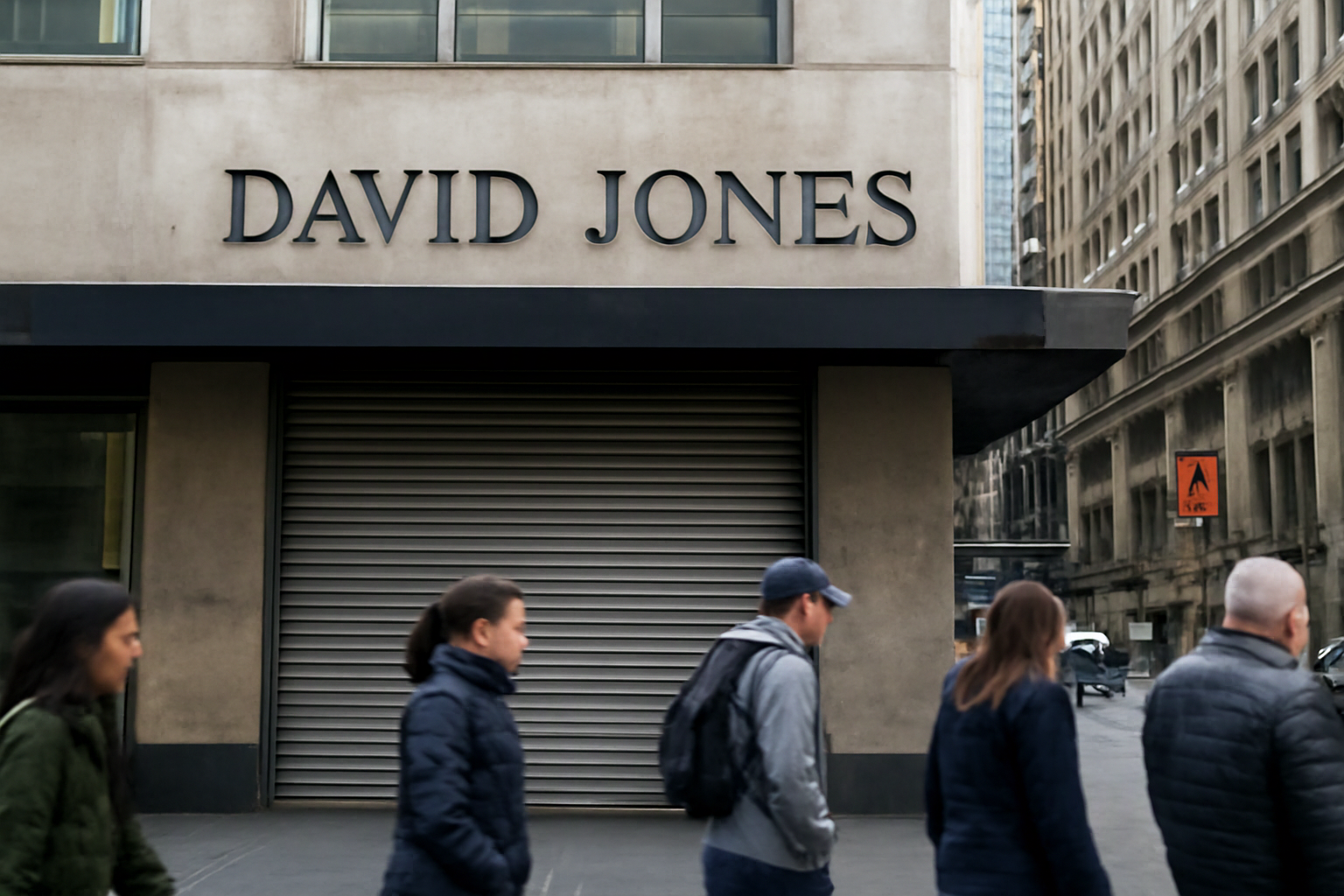
As the sun rose over Sydney on Thursday, the iconic facade of David Jones, Australia’s oldest department store, stood silent, a somber testament to nearly two centuries of retail history. This landmark, which once epitomized luxury shopping for generations, officially collapsed, marking the end of an era that began in 1838. The announcement reverberated across the retail landscape, sending shockwaves through the community and leaving a void in the hearts of many who cherished their experiences within its storied walls.
On a day that will be etched in the annals of Australian retail history, David Jones succumbed to the pressures of a rapidly evolving marketplace. The company, which had been a staple of Australian shopping culture for almost two hundred years, could no longer compete with the digital age's relentless march. With consumers increasingly gravitating towards online shopping options that offer lower prices and greater convenience, the once-thriving department store found itself unable to sustain its operations. This collapse is not merely a corporate failure; it reflects a broader trend affecting traditional retail establishments worldwide.
Founded in 1838 by Welsh merchant David Jones, the store quickly became a symbol of elegance and quality in Australia. Over the decades, it expanded its offerings, becoming a go-to destination for everything from high-end fashion to home goods. However, the rise of e-commerce giants and changing consumer behavior have dramatically reshaped the retail landscape. As shoppers increasingly turned to platforms that offered them greater variety and competitive pricing, David Jones struggled to adapt its business model to this new reality.
The news of David Jones' collapse has elicited a profound sense of loss among the community. For many Australians, the store was not just a place to shop but a cherished institution that marked significant life events—from first jobs to wedding registries. Local residents expressed their sorrow, reminiscing about the memories crafted within its storied halls. “It’s heartbreaking,” said longtime customer Margaret O’Connor. “My mother brought me here as a child, and now I bring my children. It feels like losing a part of our history.”
Beyond the financial implications, the closure of David Jones represents a cultural shift that many are grappling with. The store was a gathering place, a venue for community events, and a symbol of local pride. As shoppers shared their reflections on social media, the hashtag #ThankYouDavidJones began trending, showcasing the deep emotional connection that many had with the brand. This sentiment underscores the importance of community institutions that foster a sense of belonging and continuity.
In addition to the collective grief, personal stories emerged that highlighted the store's significance. Many individuals shared anecdotes about their first purchases, encounters with iconic Australian fashion designers, and even the friendships formed while shopping. For instance, local artist Emily Tran recounted how she found her first designer dress at David Jones for her high school formal, a moment she described as a rite of passage. “It was more than just shopping; it was about the experience, the excitement, and the memories that came with it,” she said.
The collapse of David Jones also raises significant concerns for its employees. With hundreds of workers affected by the closure, many are left facing uncertainty in an already challenging job market. The company had long been known for its commitment to providing stable employment, and the sudden loss of these jobs will have ripple effects throughout the community. Local organizations are mobilizing to provide support and resources for those impacted, emphasizing the importance of community solidarity in times of crisis.
As the dust settles, the question remains: what will happen to those who dedicated their careers to the store? Many employees have expressed their dismay, with some stating that they had envisioned lifelong careers at David Jones. The emotional and economic toll of this collapse cannot be understated, as families navigate the challenges of finding new employment opportunities in a rapidly changing job market.
In response to the layoffs, several local businesses and nonprofit organizations have stepped up to offer support. Career counseling services are being organized, and local job fairs are being planned to assist former employees in finding new opportunities. Community leaders have emphasized the need for solidarity, urging residents to support local businesses as they navigate this transitional period. “We must come together as a community to help those affected by this closure,” said Sydney Mayor Clover Moore. “Our local economy thrives on the strength of our people, and we will do everything we can to support them.”
The collapse of David Jones serves as a cautionary tale for other traditional retailers facing similar challenges. As the industry grapples with the shift toward e-commerce, businesses must find innovative ways to adapt to changing consumer preferences. This could mean enhancing online shopping experiences, investing in technology, or reimagining the in-store experience to retain customer interest.
Experts suggest that the future of retail lies in a hybrid model that combines the best of both worlds—online convenience with in-person experiences. As more retailers learn from the downfall of David Jones, there is hope that they will prioritize adaptability and community engagement to thrive in this new landscape. Retail analyst Sarah Mitchell noted, “Retailers need to rethink their strategies and focus on creating unique experiences that cannot be replicated online. The collapse of David Jones is a wake-up call for the industry.”
The implications of David Jones' closure extend beyond the immediate loss of jobs and shopping opportunities. The department store was a cornerstone of the Sydney CBD, drawing tourists and locals alike. Its absence will likely affect foot traffic in the area, impacting nearby businesses that relied on the influx of shoppers. Local cafes, boutiques, and service providers may experience a downturn, leading to a broader economic ripple effect.
Moreover, the closure leaves a cultural gap in the community. David Jones was not just a retail space; it hosted fashion shows, art exhibitions, and charity events that engaged the community and showcased local talent. With its doors closed, there is a concern about where these events will now take place, and whether other venues can step up to fill the void.
The closing of David Jones marks a significant moment not just for Australia, but for the global retail industry. As we reflect on the legacy of this beloved department store, it is essential to recognize the importance of community, commitment, and adaptability in the face of change. While the future of retail remains uncertain, the lessons learned from David Jones will undoubtedly inform the strategies of businesses moving forward, reminding us all of the need to evolve while preserving the values that bind us together.
By Katherine Langford

By Katherine Langford

By Marcus Chen

By Katherine Langford