
Technology
Japan’s Nikkei Poised to Enter Bear Market as AI Selloff Deepens
By Katherine Langford
Advertisement · Why this ad?
Katherine oversees editorial operations across all six brands. Before joining The Meridan Group, she spent 14 years at the Minneapolis Star Tribune, where she led the metro desk through its digital transformation. She holds a Master's in Journalism from Northwestern's Medill School.
More from Katherine →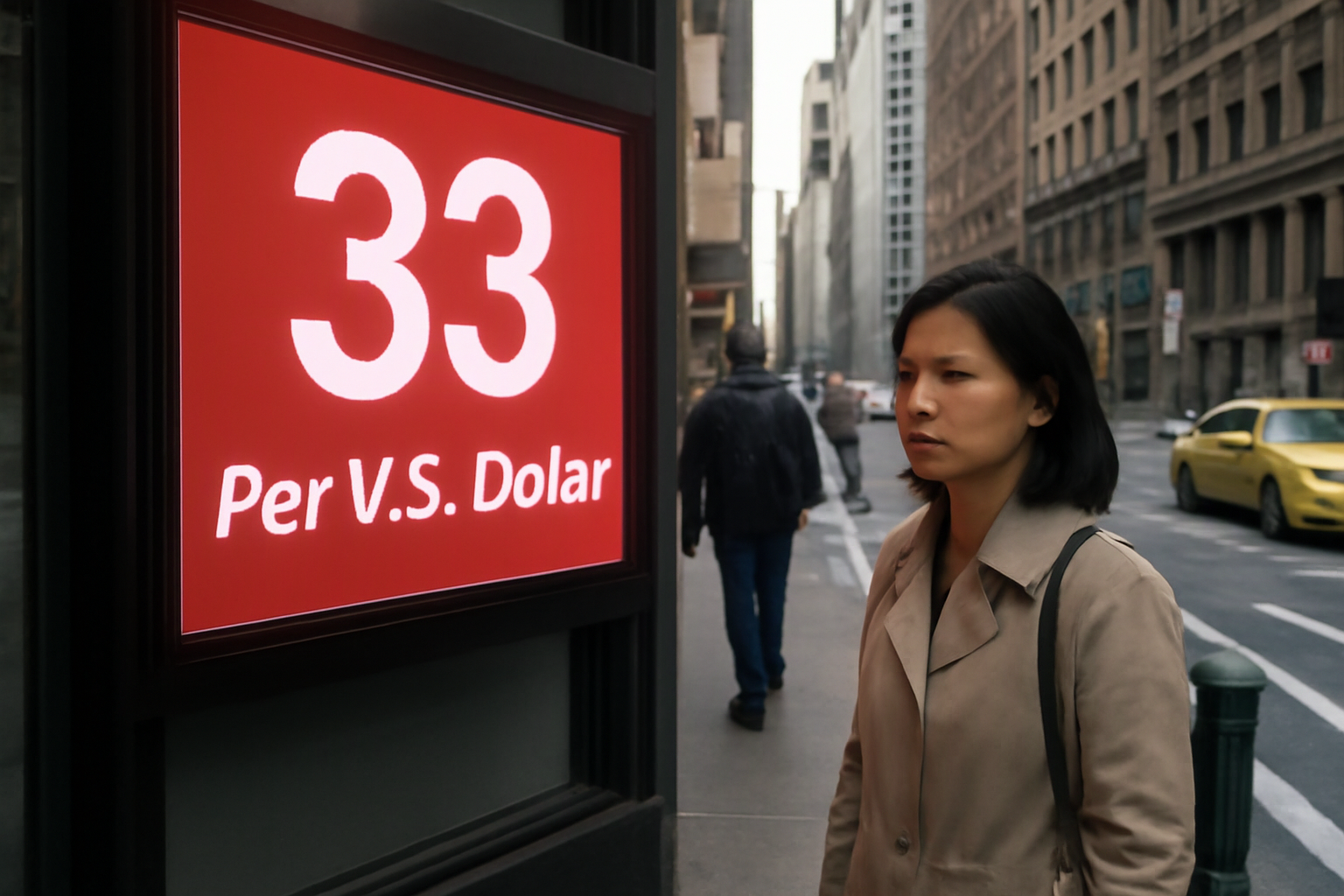
In a quiet morning on the bustling streets of Taipei, a small business owner glanced anxiously at the fluctuating exchange rates displayed on her phone. The Taiwan dollar, a vital symbol of her nation’s economic resilience, had dipped past the critical threshold of 33 per US dollar for the first time since April 2025. This seemingly minor shift encapsulates a broader nervousness that is rippleing through Taiwan’s economy amid global AI jitters and market turbulence.
On the foreign exchange front, the Taiwan dollar (TWD) experienced a notable decline, crossing the psychological barrier of 33 against the US dollar for the first time in nearly two years. This movement is not merely a number on a screen; it signals a potential shift in investor confidence and economic stability. The decline is largely attributed to a broad retreat in artificial intelligence (AI) shares, which has cast a shadow over Taiwan’s predominantly tech-driven equity market.
Since the start of this week, global AI stocks, which have been a significant driver of Taiwan’s export-led growth, have plummeted amid fears of regulatory crackdowns and slowing innovation. The tech-heavy Taiwan Stock Exchange, often regarded as a barometer of the island’s economic health, responded with a sharp downturn, reflecting investor concerns. The weakening of the currency is seen as a consequence of capital outflows and increased market volatility sparked by these AI jitters.
Historically, Taiwan’s currency has been a reflection of its economic resilience and technological innovation. The island’s economy, heavily reliant on semiconductor exports and advanced manufacturing, has enjoyed steady growth, bolstered by a robust tech sector. However, recent disruptions in the global AI landscape threaten to undermine this stability. The decline past 33 per dollar could indicate a shift in investor sentiment, with potential repercussions for export competitiveness and domestic investment.
Economists warn that sustained weakness could lead to higher costs for imported goods, inflationary pressures, and a potential slowdown in economic growth. The government and central bank are closely monitoring the situation, with some analysts suggesting that intervention may be necessary if the currency continues to weaken significantly. Such measures could include adjusting interest rates or intervening directly in foreign exchange markets to stabilize the TWD.
For everyday Taiwanese families, the currency’s decline may manifest in higher prices for imported foods, electronics, and travel expenses. Small business owners, especially those relying on imported goods or foreign investment, express concern about the uncertain economic outlook. “We’ve seen the dollar weaken, and it worries us about our purchasing power,” said Lin Mei, owner of a local electronics shop in Taipei. Her sentiment echoes across many households that value stability and the promise of a secure future for their children.
Moreover, the tech community, which has long been a source of national pride, feels the ripple effects of the market downturn. Startups and established firms alike are bracing for a period of recalibration, emphasizing the importance of innovation and resilience in uncertain times. Community leaders stress the need for policies that support families and small businesses, reinforcing the societal fabric that underpins Taiwan’s success story.
To understand the significance of this currency movement, it's essential to appreciate Taiwan’s unique position in the global technology landscape. The island is often called the “Silicon Valley of Asia,” home to giants like TSMC (Taiwan Semiconductor Manufacturing Company), which produces chips for the world’s leading tech firms. TSMC alone accounts for roughly 60% of global semiconductor manufacturing capacity, making Taiwan a linchpin in the global supply chain.
Many local residents and international analysts see Taiwan’s tech sector as a symbol of national pride and economic strength. The industry has created thousands of jobs and attracted foreign investment for decades, fueling the country’s rapid development. Yet, this reliance on high-tech exports also makes Taiwan vulnerable to global market swings, especially in sectors like AI and semiconductors, which are currently experiencing turbulence.
Local leaders and industry insiders are increasingly aware that diversification is crucial. Efforts to foster innovation in biotech, green energy, and digital services are underway, aiming to reduce dependence on volatile markets. Still, the current dip in the TWD underscores how intertwined Taiwan’s fortunes are with the global tech cycle and how sensitive the economy remains to external shocks.
Looking ahead, analysts anticipate that the currency’s movement will remain volatile as global markets digest the implications of AI sector fluctuations. The Taiwanese government has reiterated its commitment to maintaining economic stability, with officials hinting at potential interventions if necessary. Meanwhile, investors are advised to approach the market with caution, recognizing the interconnectedness of global tech trends and local economic health.
In the longer term, Taiwan’s focus on technological innovation and diversification remains vital. Strengthening domestic industries, fostering sustainable growth, and cultivating a resilient workforce are essential strategies to weather the current turbulence. As the nation navigates these uncertain waters, the importance of strong families and communities built on shared faith and commitment cannot be overstated, providing a foundation of stability amid global upheavals.
Additionally, the government is actively engaging with local tech entrepreneurs and international partners to bolster innovation ecosystems. Initiatives include increased funding for startups, partnerships with universities, and policies aimed at attracting skilled talent from abroad. These efforts aim to ensure that Taiwan remains at the forefront of technological development despite global uncertainties.
Local policymakers are also considering measures to support small businesses and vulnerable households affected by the currency’s decline. Discussions are underway about targeted subsidies, tax relief, and programs to boost consumer confidence. Community organizations are mobilizing to provide financial literacy workshops and support networks, emphasizing resilience in the face of economic stress.
The upcoming months will be critical for Taiwan as it balances the need for market stability with the imperatives of innovation and growth. The central bank’s next moves, whether through interest rate adjustments or foreign exchange interventions, will be closely watched by markets worldwide.
Ultimately, the weakening of Taiwan’s currency underscores the delicate balance of a modern economy intertwined with cutting-edge technology and global markets. While challenges lie ahead, the resilience of Taiwan’s people, their families, and their unwavering faith in a brighter future will continue to be the guiding light through these turbulent times. The community’s collective strength, rooted in shared values and innovation, will be essential in navigating the uncertain economic landscape.
For now, residents like Lin Mei remain hopeful that the island’s technological ingenuity and community spirit will help weather this storm, fostering a more diversified and resilient economy for generations to come.
By Katherine Langford

By Marcus Chen

By Marcus Chen

By Marcus Chen