Technology
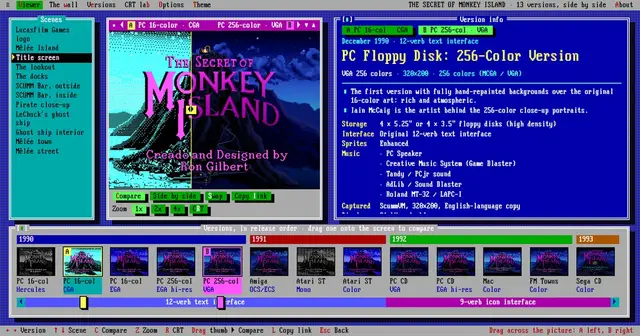
Monkey Island: all 13 versions side by side
By Marcus Chen
Advertisement · Why this ad?
Marcus manages the day-to-day editorial workflow across all brands, coordinating coverage assignments and ensuring editorial standards are met. He previously served as city editor at the Pioneer Press and holds a degree in Political Science from Carleton College.
More from Marcus →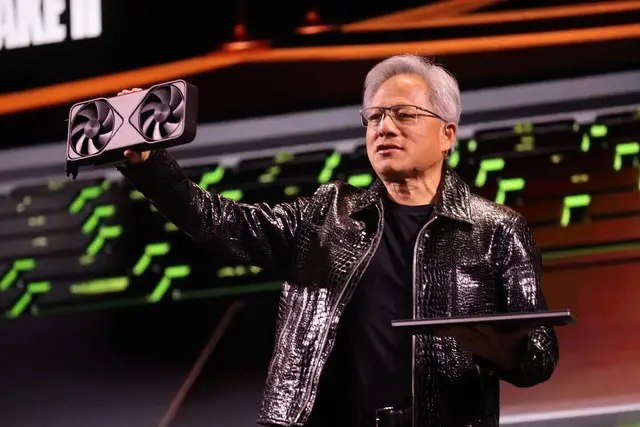
Following the departure of now-former NVIDIA CEO, Jensen Huang, a new report by The Wall Street Journal (via Wccftech) has emerged alleging that NVIDIA artificially inflated the ongoing GPU and memory shortage by investing in AI startups that would go on to buy NVIDIA GPUs and build data centers. The reason behind this was to maintain the perception of ongoing high demand and to move an oversupply of semiconductors from TSMC.
The WSJ report cites an August meeting between Huang and his senior finance team, including NVIDIA's CFO and acting CEO, Colette Kress, during which Kress pushed for a reduction in circular financing agreements, in response to which Huang allegedly lay into Kress, calling her a "deer in the headlights," after she had pushed to scale back NVIDIA's $250 billion deal with OpenAI. Jensen's push for further investment into small-scale cloud providers was seemingly in response to the changing tide that saw AI hyperscalers move away from off-the-shelf components in favor of custom solutions.
The situation described in the report saw NVIDIA on the hook for an "avalanche" of GPUs from TSMC, for which it would have no immediate buyers. Part of the issue highlighted by Kress was also that these small-scale cloud providers NVIDIA was investing in could not afford to buy NVIDIA GPUs, meaning they, too, could be a financial dead end.
The Wall Street Journal, via Wccftech
Sydney
Technology
Saturday, November 14, 2026
1 min
By Marcus Chen

By Marcus Chen

By Katherine Langford

By Katherine Langford