
Technology
There’s a Free Video Editor Inside Google Drive That Anyone Can Use
By Katherine Langford
Advertisement · Why this ad?
Marcus manages the day-to-day editorial workflow across all brands, coordinating coverage assignments and ensuring editorial standards are met. He previously served as city editor at the Pioneer Press and holds a degree in Political Science from Carleton College.
More from Marcus →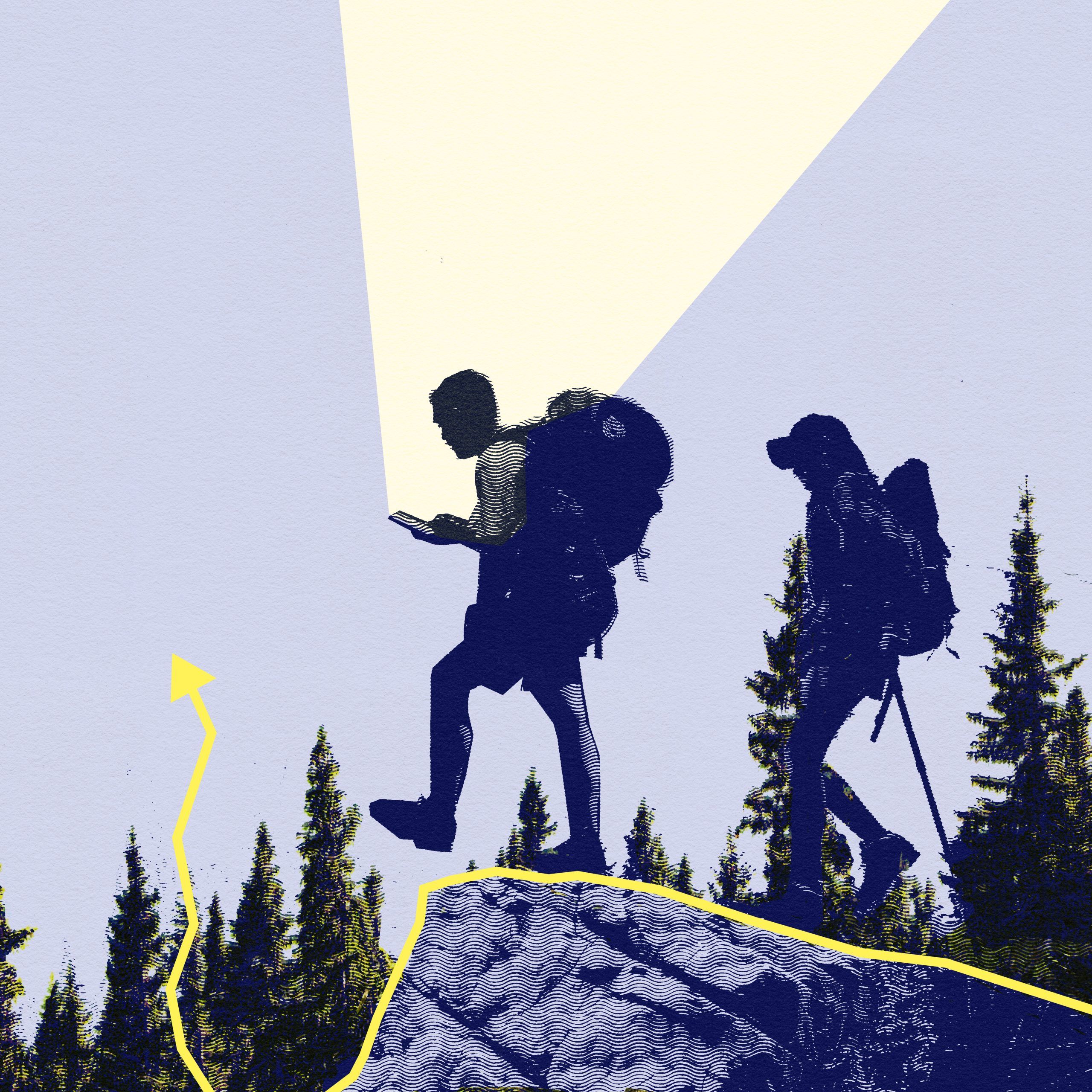
On a crisp autumn morning, Sarah Mitchell laced up her hiking boots, excited for a weekend adventure in the Catskills. Armed with her smartphone and a popular hiking app, she felt confident in her plans. But when the app directed her off the trail and into dense woods, she soon realized that relying on technology can sometimes lead to dangerous misadventures.
As outdoor enthusiasts increasingly turn to AI-driven chatbots and mapping applications for guidance, the consequences can be dire. A recent report highlights troubling incidents where hikers have found themselves lost or in perilous situations due to misplaced trust in technology. In 2022 alone, the New York State Department of Environmental Conservation reported a 30% increase in search and rescue operations, many attributed to hikers relying on faulty app directions.
One notable case involved a group of hikers who ventured into the Adirondacks, following an AI-generated route that led them 10 miles off course. Stranded and without cell service, they faced a harrowing night in the wilderness before rescuers located them the next day. Such incidents raise critical questions about the reliability of technology in outdoor settings.
These incidents are not isolated. Across the United States, similar stories have surfaced, with hikers and outdoor enthusiasts facing life-threatening situations due to over-reliance on technology. In the Pacific Northwest, for example, a group of campers found themselves lost in the Olympic National Park after their navigation app led them astray, resulting in a multi-day search and rescue operation. Such stories serve as cautionary tales, reminding us that while technology can enhance our outdoor experiences, it can also lead to dire consequences when used uncritically.
While technology offers convenience, it can also erode essential skills. Experts warn that outsourcing navigation to AI can diminish a hiker's ability to think critically and make sound decisions. "When hikers rely solely on technology, they may overlook basic safety protocols and situational awareness," says Dr. Emily Carter, a wilderness safety expert.
In a world where information is readily available, the temptation to let AI take the reins can be strong. However, the backcountry is unpredictable. Weather conditions can change rapidly, and trails may not be accurately represented on digital maps. Hikers need to maintain their own judgment and skills, rather than surrendering them to an algorithm.
Moreover, the reliance on AI can create a false sense of security. Many hikers may feel that they are adequately prepared simply because they have downloaded an app, neglecting the need for physical maps, compasses, and essential survival gear. This mindset can lead to dangerous situations where individuals are unprepared for emergencies or unexpected challenges.
Real-life stories underscore the importance of human intuition and experience in outdoor adventures. Local hiker Tom Reynolds recalls a time when he disregarded his instincts in favor of an app's recommendation. "I ended up on a steep incline that wasn't even a trail. It was a dangerous situation that I could have avoided if I had trusted my own judgment," he shared.
Such experiences resonate with many who have faced the lure of technology over common sense. Hikers like Sarah and Tom remind us that while technology can be a helpful tool, it should never replace the knowledge and experience that come from years of exploring nature. The human element remains irreplaceable.
In fact, seasoned hikers often emphasize the importance of learning from nature itself. They advocate for skills such as reading topographic maps, understanding natural landmarks, and recognizing environmental cues that can guide a hiker safely through the wilderness. Hikers who have spent years honing these skills often express a deep appreciation for the unique connection they develop with the landscapes they traverse.
The hiking community in New York has voiced concerns about the increasing reliance on AI for navigation. Many seasoned hikers emphasize the importance of education and preparation. Local outdoor clubs are stepping up their efforts to provide resources and training for safe hiking practices.
Organizations like the New York-New Jersey Trail Conference offer workshops on map reading and navigation skills, empowering hikers to take charge of their own journeys. Community leaders advocate for a balanced approach to technology, one that enhances rather than replaces traditional skills.
Additionally, local hiking groups are organizing events that focus on outdoor safety and navigation. These gatherings not only provide practical skills but also foster a sense of camaraderie among hikers. Participants share their experiences, discuss the challenges they’ve faced, and learn from one another in a supportive environment.
Furthermore, social media platforms have become a space for sharing cautionary tales and best practices. Many experienced hikers use these platforms to warn newcomers about the potential pitfalls of over-reliance on technology. They emphasize that while apps can be beneficial, they should be used as supplementary tools rather than primary navigational aids.
The future of hiking in the age of AI relies on a collaborative effort between technology and human expertise. Developers of hiking apps are urged to incorporate safety features that encourage users to remain vigilant and aware of their surroundings. Features such as emergency contact notifications and real-time weather updates can enhance safety without compromising critical thinking.
Moreover, educational initiatives can bridge the gap between technology and traditional hiking skills. As more people venture into the outdoors, fostering a culture of safety and preparedness is essential. Hikers should be encouraged to carry physical maps, understand their routes, and stay informed about changing conditions.
Local governments and park services are also recognizing the need for improved signage and information at trailheads. Clear instructions and safety reminders can help set the tone for responsible hiking practices. Additionally, community workshops on outdoor ethics and safety can help instill a sense of responsibility among hikers, ensuring that they not only enjoy nature but also protect it.
As technology continues to evolve, it is crucial for the hiking community to advocate for features that prioritize safety and critical thinking. This includes encouraging app developers to collaborate with outdoor experts to ensure that the information provided is accurate and reliable.
As Sarah Mitchell reflects on her recent hike, she recognizes the importance of balancing technology with personal judgment. "I've learned that while apps can be helpful, they shouldn't dictate my decisions in the wild," she says. The hiking community stands at a crossroads, where the embrace of technology must be tempered with a commitment to safety and self-reliance.
As we continue to navigate the great outdoors, let us remember that the best guide is often not a chatbot, but our own instincts and experiences. The adventure awaits, but it is up to each individual to tread wisely.
By Katherine Langford

By Katherine Langford

By Katherine Langford

By Katherine Langford